What Is BPC-157?
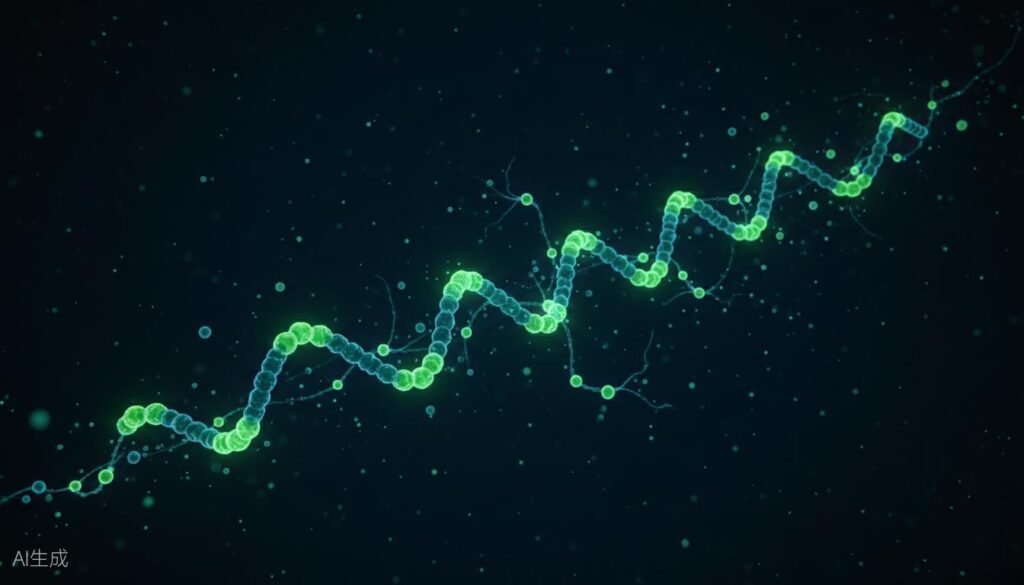
BPC-157 is a synthetic pentadecapeptide composed of 15 amino acids. It is a partial sequence of the human gastric juice protein BPC. Since its isolation, BPC-157 has become one of the most extensively studied peptides in regenerative medicine and tissue repair research.
Mechanism of Action
Current research suggests BPC-157 influences several molecular pathways:
- Actin cytoskeleton regulation — Promotes cell migration and structural organization.
- Nitric oxide pathway — Modulates NO synthase activity, affecting blood flow and angiogenesis.
- Growth factor expression — Upregulation of VEGF, TGF-beta, and other key growth factors.
- Collagen production — Enhanced type I collagen synthesis in fibroblast cultures.
Research Applications
- Tendon-to-bone healing in rotator cuff models
- Achilles tendon partial transection recovery
- Intestinal anastomosis healing
- Skin wound closure acceleration
- Muscle crush injury recovery
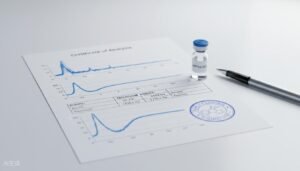
CoreVionRX supplies BPC-157 strictly for in-vitro and laboratory research. 99%+ purity verified by independent HPLC. COA included.